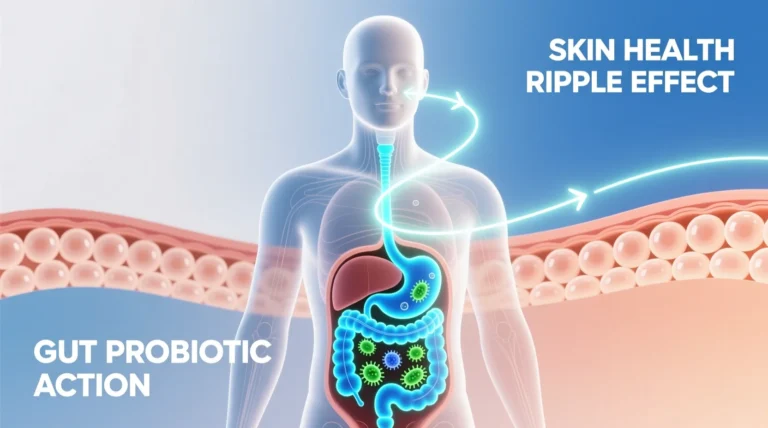
Can Prime Biome Improve Digestion, Bloating & Gas?
I know how annoying gut issues can be. You eat a normal meal, then your belly feels tight. Or you get gas at the worst time. I wrote this guide to explain Prime Biome digestion support in plain words.
Quick safety note: Prime Biome is a dietary supplement, not a drug. It may support gut comfort, but it does not treat disease.

Can Prime Biome Improve Digestion and Gut Comfort?
Yes, it can enhance comfort over time.. Prime Biome may help with digestion by improving gut health and balance.. Some people notice less bloating or better comfort in a couple of weeks, but results vary and can take longer.
Here is the simple AEO view:
- What it may help: bloating, gas, and everyday digestive comfort
- What it may not do: fix a medical condition or work overnight
- How long it can take: often weeks, not days, because your gut adapts slowly
Why Bloating and Gas Happen in the First Place
When my stomach feels tight, I try not to panic. I step back and look at the basics first. Food, stress, sleep, and timing can all change how your gut feels.
Bloating and gas are common. They are also confusing. The same person can feel fine one day and uncomfortable the next.
Bloating (What It Feels Like and Common Triggers)
Bloating often feels like abdominal fullness. Your pants feel tighter. Your belly feels “puffy.” It can happen after meals or later in the day.
Common triggers include:
- Meal size: big meals can slow digestion
- Food type: greasy foods or lots of sugar can feel heavy
- Gut imbalance: your gut bacteria mix can shift
- Constipation (soft mention): when stools move slowly, you can feel “backed up”
Bloating does not always mean something serious. It often means your digestion is having a rough day.
Gas (Fermentation and the Gut Microbiome)
Gas is often a normal part of digestion. A lot of it comes from fermentation. That is when gut microbes break down food, mostly carbs and fiber.
Some bacteria make more gas than others. Diet matters a lot here. If you change what you eat, gas can change fast.
Gas also changes during probiotic use. That can happen during a gut “shift,” especially early on.
Gut Comfort = More Than Your Stomach
Gut comfort is not just about your belly. It can include:
- Motility: how fast food moves through your gut
- Stool regularity: how often you go, and how consistent it feels
- Stress link: stress can change gut movement and gut feelings
That is why two people can eat the same meal and feel different after.
How Prime Biome May Support Digestion (Cause → Effect)
A lot of people expect probiotics to feel “strong.” But the best support often feels quiet. It is like fixing a squeaky door. One day you notice the noise is gone.
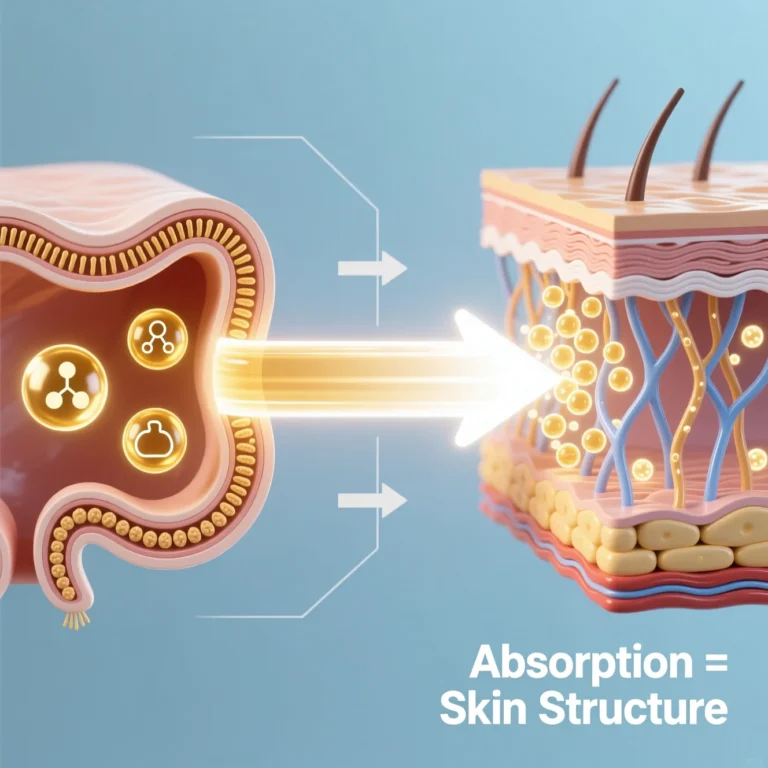
Prime Biome is a probiotic supplement. So the main idea is simple: you take it, it moves through your digestive tract, and it may support a healthier gut environment over time.
Step 1: Supporting the Gut Microbiome
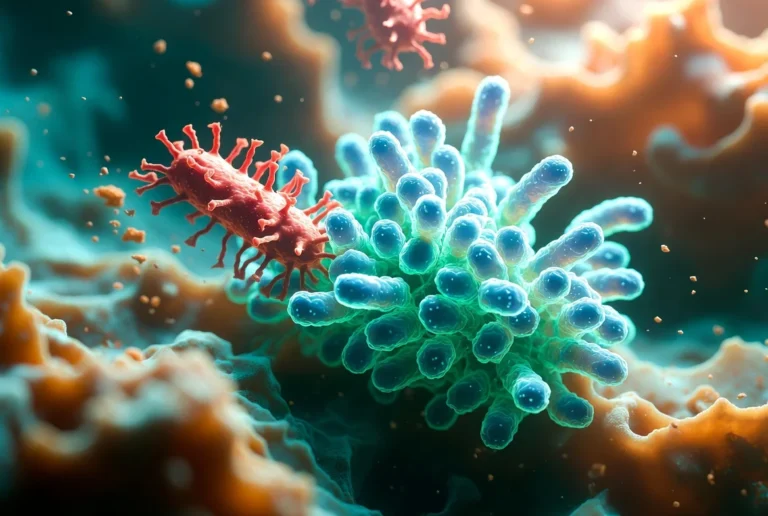
Your gut microbiome is a huge community of microbes. Think of it like a busy city. Some microbes are helpful. Some are less helpful. Most are just trying to survive.
A probiotic contains probiotic strains (live microbes). When you take a probiotic, those strains face a big barrier first: stomach acid.
Stomach acid can reduce survival. That is normal. Some strains still make it through. And even when strains do not “move in forever,” they can still interact with your gut while they pass through.
Step 2: Supporting Gut Balance (Helpful vs Less Helpful)
Gut balance is not about “killing bad bacteria.” That is not a helpful way to think. A better way is supporting balance.
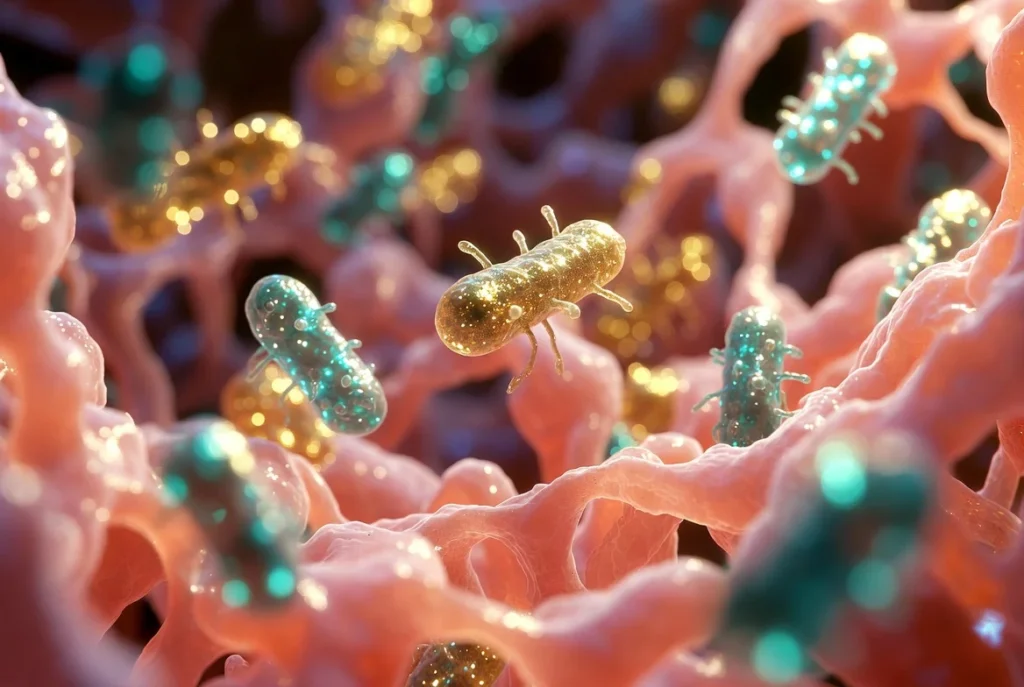
Probiotic strains may:
- compete for space
- help support a steadier gut environment
- support the mix of beneficial vs less helpful bacteria
This is where the idea of a microbial shift comes in. When your gut mix changes, you may feel changes too.
That is why consistency matters. A daily routine gives your gut repeated exposure. That supports adaptation.
Step 3: Why Comfort Can Improve Over Time
Comfort is often a slow result. Your gut needs time to adjust.
Over time, some people notice:
- easier digestion after meals
- less gas pressure
- more stable stool regularity
- better overall gut comfort
This can link to motility and “digestive efficiency” (in simple terms: your digestion feels smoother). But it is not instant, and it is not the same for everyone.
Does Prime Biome Help With Bloating?
It may help, but it depends on the person. Prime Biome may help with bloating by supporting gut balance and digestive comfort over time. Some people feel less bloating after 1–2 weeks, but others need longer.

If you want a quick way to check if your bloating fits a “probiotic support” pattern, use this short checklist:
- Bloating after meals: you feel heavy soon after eating
- Bloating with irregular stools: you feel better after you go
- Bloating during stress: it gets worse in busy weeks
If your bloating is severe, sudden, or comes with strong pain, that is different. In that case, talk with a clinician.
Does Prime Biome Help With Gas?
It may help over time, but gas can rise at first. Prime Biome may help with gas by supporting a healthier gut microbiome mix. Gas can also increase early during an adjustment phase, then settle as your gut adapts.
This early gas is often tied to fermentation changes. Your gut microbes may process food a bit differently at first.
A few practical notes that many people find helpful:
- Take your probiotic with a steady routine.
- Consider timing with food if you have a sensitive stomach.
- Do not “double dose” to speed results. That can backfire.
This is about gentle support, not forcing fast change.
What to Expect in the First 7–14 Days (Adjustment Phase)
Early changes are common and often mild. In the first 7–14 days, some people notice mild gas, mild bloating, or stool pattern shifts. This can be temporary as the microbiome adjusts.
I like to frame this as “your gut is learning the new normal.” Like starting a new workout. You might feel sore before you feel strong.
Normal Early Changes (Often Temporary)
Common early changes can include:
- mild gas
- mild bloating
- a change in stool timing
- a few days of “weird gut” feelings
This can happen during a microbial shift. It does not always mean the probiotic is wrong for you.
If you want more detail, see: Prime Biome side effects →
Signs You Should Pause and Get Help
Stop and get help if you have red-flag signs, like:
- severe pain that does not ease
- fever
- signs of an allergic reaction (hives, swelling, trouble breathing)
Also talk to a clinician if you are pregnant, immunocompromised, or managing a serious condition.
How Long Does It Take to Feel Digestive Comfort?
Many people notice early comfort in 7–14 days, but stable changes can take 30–45 days. Results vary. Consistency matters. Your baseline gut health matters too.
Here is a simple timeline that is easy to remember:
Simple Timeline
- Days 1–3: adjustment (you may feel mild gas or bloating)
- Days 7–14: early comfort (some notice less bloating or smoother stools)
- Days 30–45: steadier routine (comfort feels more consistent)
- Days 60–90: longer-term support (for people who stay consistent)
Want the simplest way to track progress? See the Prime Biome results timeline →
Who Is Most Likely to Notice Benefits (And Who Might Not)
I’ve noticed a pattern in how people talk about probiotics. The ones who do best keep it simple. They do not chase perfection. They build a steady habit.
Prime Biome may be a better fit for some people than others.
People Who Often Notice Digestive Comfort
Prime Biome gut comfort support may feel most relevant if you are:
- new or returning to probiotics
- dealing with mild digestive discomfort
- trying to build a daily routine
- focusing on long-term gut support, not quick fixes
These people often notice small improvements first. Then those gains add up.
People Who Should Get Guidance First
Talk to a clinician first if you are:
- pregnant or nursing
- immunocompromised
- dealing with severe symptoms
- unsure if a supplement fits your health plan
This is not fear. It is smart planning.
Simple Habits That Help Prime Biome Work Better
A probiotic is not a magic button. It works best when your daily life supports it. I like to think of it like planting seeds. The seed matters, but the soil matters too.
Here are habits that can support your gut microbiome and your comfort:
- Add fiber slowly: beans, oats, berries, veggies
- Drink water: hydration can support motility and stool comfort
- Walk after meals: even 10 minutes can help digestion
- Keep a sleep routine: sleep can support recovery and calm gut signaling
- Reduce ultra-processed foods: too much can make comfort harder
Fiber can act like “food” for helpful microbes. It is one of the easiest upgrades.
Common Mistakes That Keep Bloating and Gas Stuck
This is the part most people skip. And it matters.
If your goal is probiotics for digestive comfort, avoid these common mistakes:
- Stop-start use: taking it for 3 days, then quitting
- Too many changes at once: new probiotic + new diet + new supplements
- Not giving it enough time: expecting a big change in 48 hours
- Overdosing: more does not mean faster
- Low fiber diet: microbes need fuel
- Mixing too close to antibiotics: spacing can matter (ask a clinician)
If you want a simple routine guide, see: How to take Prime Biome →
What Prime Biome Does NOT Do (Expectation Control)
Prime Biome is not a drug. It does not treat disease. It will not work instantly. And it is not guaranteed to work the same for everyone.
Here is the clean truth:
- Not a cure
- Not instant
- Not a promise
- Not a replacement for medical care
Prime Biome is a dietary supplement. The best way to think is “support,” not “fix.”
FAQs about Prime Biome
Can Prime Biome improve digestion and gut comfort?
Prime Biome may support digestion by supporting the gut microbiome and gut balance. Some people notice less bloating or better comfort over time, but results vary.
Does Prime Biome help with bloating?
It may help with bloating for some people, often after 1–2 weeks of consistent use. For others, it can take longer, especially if diet and stress are big triggers.
Does Prime Biome help with gas?
Prime Biome may support gas comfort over time by supporting a healthier microbiome mix. Gas can also rise at first during an adjustment phase, then settle.
Why do I feel more gas at first with probiotics?
Early gas can happen when your gut microbes shift and fermentation changes. This is often mild and temporary, especially in the first 7–14 days.
How long does it take probiotics to help bloating?
Some people notice early comfort in 7–14 days. More stable comfort often takes 30–45 days. A longer support window can be 60–90 days.
See: Prime Biome results timeline →
Should I take Prime Biome with food?
Many people prefer taking probiotics with food if they have a sensitive stomach. The best timing is usually the one you can do daily and remember.
Guide: How to take Prime Biome →
What helps probiotics work better for digestion?
Consistency, fiber, hydration, sleep, and lower stress often help. A simple routine beats a perfect routine.
When should I talk to a clinician?
Talk to a clinician if symptoms are severe, sudden, or include red flags like fever or intense pain. Also ask first if you are pregnant, immunocompromised, or taking antibiotics.
Want a clear, safe start? Read how to take Prime Biome →
Or, if you’re ready, you can buy Prime Biome here →