
Prime Biome Results Timeline: How Long It Takes to Work & What to Expect
When I first tried a probiotic, I expected a quick “aha” moment. Like a light switch. But gut health is more like a dimmer. It turns up in steps. Prime Biome works in that same slow, real-life way.
Here’s the big idea of this page: Prime Biome results depend on time and biological adaptation. Your gut microbiome needs time to adjust. Your body needs time to settle into a new pattern. And your results can look different from someone else’s.
Why Probiotic Results Take Time
Probiotics take time because the gut microbiome needs repeated exposure for microbiome colonization and a healthier gut bacteria balance. That process is gradual, not instant.
I’ve helped friends start probiotics many times. The ones who do best are the ones who expect a slow climb, not a fast jump.

Probiotic results take time because your body needs biological adaptation. Your gut is an ecosystem. You can’t change an ecosystem in one day. You need small shifts that build into a stable pattern.
When you start Prime Biome, new bacteria enter the gut. They compete for space. They also react to what you eat. That is part of bacterial colonization. For most people, colonization is not permanent. It is more like “visiting helpers” that work best when you keep taking them daily.
This is why Prime Biome is not an instant solution. Early days can even feel odd. That does not always mean it is not working. It often means your gut is adjusting.
Think of it like moving furniture in a room. The first day is messy. The second day feels off. But after a week, the room feels better than before. The same idea applies to gut balance.
How Quickly Do Probiotics Start Working?
In my own routine, I noticed early gut changes before I noticed big benefits. That early shift is easy to mistake for “bad results,” so I like to explain it clearly.
Probiotics can start affecting the digestive system in the first few days, but meaningful comfort changes often take 1–2 weeks, and deeper microbiome stability can take 30–45 days.
Your gut has a fast digestive system response. When new bacteria arrive, fermentation can change. Motility can shift. Stool patterns can shift. These are initial gut changes.
For some people, this means they feel better quickly. For others, it means a few short-term reactions first. That is normal.
What Happens in the First Few Days
I always tell people: watch the first week with curiosity, not panic. Your gut is learning a new rhythm.
In the first few days, you may notice:
- Gas (from changed fermentation)
- Bloating (from microbial shift)
- A mild “adjustment” feeling
- Slight changes in bathroom routine
Some people call this a die-off effect. That term is popular online. But it is not proven in every case. A safer and more accurate label is adjustment phase. Your gut bacteria mix is shifting. Your body is reacting.
These short-term reactions usually fade as your microbiome stabilizes. If symptoms are severe, or last long, it’s smart to pause and talk to a health pro.
Prime Biome Results Timeline (Day-by-Day Breakdown)
This section is the one I wish every probiotic brand showed in a simple way. It saves people from guessing. It also cuts down on early refunds.
Most people notice early gut comfort changes in 7–14 days, deeper microbiome stability around 30–45 days, and more “whole-body” benefits like energy and skin clarity in 60–90 days, if they use Prime Biome consistently.
This timeline is not a promise. It is a practical map. Your results depend on your gut health baseline, diet, stress, sleep, and daily consistency.
Days 1–3 – Gut Adjustment Phase
When I start any new probiotic, I treat days 1–3 like a “testing window.” I keep notes. I keep meals simple. I don’t overreact.

In days 1–3, the gut often goes through a microbial shift. That shift can trigger a digestive response.
What you might feel:
- Mild bloating
- Extra gas
- A “weird gut feeling” after meals
- Small stool pattern changes
These can look like die-off symptoms, but again, it’s better to call it digestive adjustment. Your system is reacting to new microbes and new fermentation patterns.
What helps in this phase:
- Drink water (hydration supports gut comfort)
- Eat simple meals
- Keep the dose consistent
- Avoid huge diet changes at the same time
The key is this: days 1–3 are too early to judge results. This is the body warming up.
Days 7–14 – Early Digestive Improvements
This is where many people start to relax. It’s when the gut often feels “less dramatic.” I’ve seen this with friends again and again.
In days 7–14, some people notice:
- Reduced bloating
- More steady stool regularity
- Better gut comfort after meals
This phase is about early balance. Your gut bacteria balance is starting to settle. Fermentation may become smoother. The digestive system response is less reactive.
It is not always a big change. Sometimes it is subtle. Like, “I didn’t feel heavy after lunch.” Or, “I didn’t get gas after my normal dinner.” Those small wins matter.
If nothing changes yet, that can still be normal. Your baseline may need more time. Or your diet may not be feeding good bacteria well. More fiber and whole foods can support the process.
Days 30–45 – Microbiome Stabilization
If you want the “real test” window, this is it. By 30–45 days, the gut has had time to build a new pattern.

This phase is about microbiome support Prime Biome in the true sense. The gut ecosystem becomes more stable with consistent daily use.
What this can look like:
- Better digestive efficiency
- Less frequent discomfort
- More stable stools
- Softer, steadier inflammation response (soft, non-medical)
If your gut has fewer “surprise days,” that’s a strong sign of progress. This can also support steadier energy. Not in a “caffeine rush” way. More like fewer dips tied to digestion.
This is also why many people should not quit at day 10. Microbiome colonization and stabilization take time.
Days 60–90 – Skin & Systemic Benefits
This is where people often say, “Oh, now I get it.” Skin changes and steady energy usually take longer. I’ve noticed this pattern in myself too.
By 60–90 days, some people notice:
- Better skin appearance or skin clarity (soft claims)
- More stable energy levels
- More consistent long-term gut balance
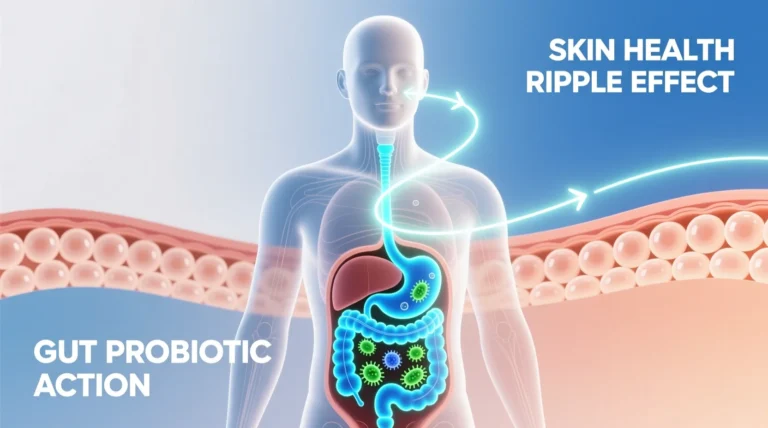
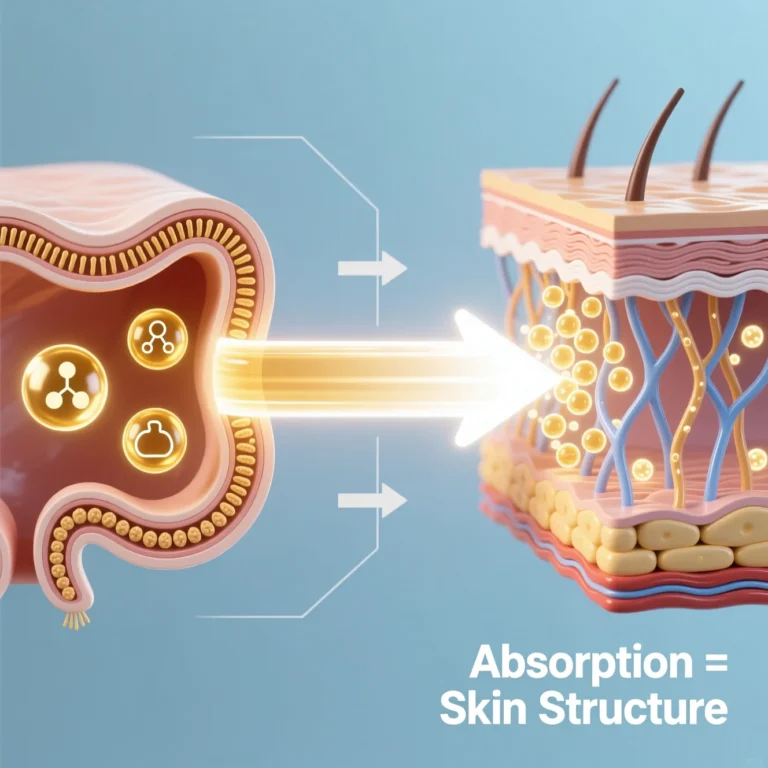
Why does skin take longer? Because skin cell turnover is slow. Your skin renews in cycles. Those cycles slow with age. They also react to inflammation and nutrition. So if gut support improves absorption and lowers gut-driven inflammation, skin can look better later.
This is not guaranteed. But it is a realistic timeline for why skin-related benefits are often late. The body needs time to adapt.
How Long After Taking Prime Biome Will I See Results?
This is the question I get the most. People want a clear day count. I try to give a real answer that respects biology.
Many people notice early changes in 7–14 days, stronger gut stability around 30–45 days, and broader benefits in 60–90 days, but timelines vary due to diet, stress, sleep, and consistency.
This is where individual variability matters. Think of it like two phones charging. Same charger. Different battery health. Different apps running in the background. Your baseline gut microbiome changes the pace.
Key factors that change your timeline:
- Consistency of use: daily intake matters
- Diet and lifestyle: fiber and whole foods support bacteria
- Stress levels: stress can slow gut motility
- Sleep quality: poor sleep can increase inflammation signals
- Antibiotic history: antibiotics reduce bacterial diversity
So if your friend felt changes in one week and you don’t, that does not mean Prime Biome “failed.” It may mean your system needs more time to stabilize.
A practical rule I use is this: judge gut comfort after 30 days, and judge “full picture” after 60 days.
How Do I Know If Prime Biome Is Working?
I like this question because it shifts focus from “I feel something right now” to “What trend am I seeing over time?” Trends are more useful.

You can tell Prime Biome may be working if you notice less bloating, more stable stool consistency, better gut comfort after meals, steadier energy, and sometimes clearer-looking skin over time.
Here’s how to check results without overthinking.
Positive Signs to Look For
When I track probiotics, I look for boring wins. Boring is good. It means stable.
Positive signs can include:
- Bloating reduction (less frequent, less intense)
- More predictable stool consistency
- Less gas after meals
- Less heaviness or discomfort
- Better day-to-day gut comfort
- More steady energy stabilization (soft)
- Skin looking less dull over 60–90 days (soft)
One strong sign is not “perfect digestion.” It’s fewer bad days.
Neutral or Delayed Signs
Some people don’t feel a “wow.” They feel a slow calm. That can still be progress.
Neutral signs include:
- Small changes that come and go
- Improvements only on certain foods
- Early gas or bloating that fades
This can mean your gut is adjusting, not that nothing is happening.
When Results May Take Longer
I’ve seen people need more time when life is intense. Stress, poor sleep, and low fiber can slow progress.
Results may take longer if:
- Your baseline gut health is low
- You recently used antibiotics
- You have high stress or poor sleep
- Your diet is low in fiber
- You stopped and started often
This is why consistency is a big deal. Probiotic strains do best with repeated intake. If you stop often, you reset the pattern.
Why Some People See Faster Results Than Others
This section is a refund saver. It helps people stop comparing their day 10 to someone else’s day 10.
Some people see faster results because their starting point is different. That is the gut health baseline.
If your baseline is strong, your gut may adapt quickly. If you’ve had long-term gut issues, the shift can be slower. That’s just biology.
Other big factors:
- Antibiotic history: lower bacterial diversity can take longer to rebuild
- Stress levels: stress changes gut bacteria and gut motility
- Sleep quality: better sleep supports lower inflammation response
- Diet: fiber feeds beneficial bacteria and supports balance
Think of it like a road trip. Two people drive the same car. One starts closer to the destination. They arrive sooner. That doesn’t mean the car is better for them. They just had less distance to cover.
Common Mistakes That Delay Probiotic Results
I’ve made some of these mistakes myself. Many people do. The good news is they’re fixable.
Probiotic results can slow down when habits work against the gut.
Common delays include:
- Skipping doses: breaks consistency and slows colonization support
- Inconsistent timing: makes missed doses more likely
- Poor diet: low fiber starves good bacteria; high processed food can disrupt balance
- Expecting instant weight loss: probiotics are not fat burners
That last one matters. Some people quit because they did not lose weight fast. But probiotics are more about comfort and balance. Weight change is not guaranteed.
If you want better odds of success, pair your probiotic with simple supports. Drink water. Eat fiber. Sleep when you can. You don’t need perfection. You need basic consistency.
When Prime Biome Might Not Be Working Yet
This is the “don’t blame yourself” section. Sometimes it’s just too soon. Sometimes life factors are loud.
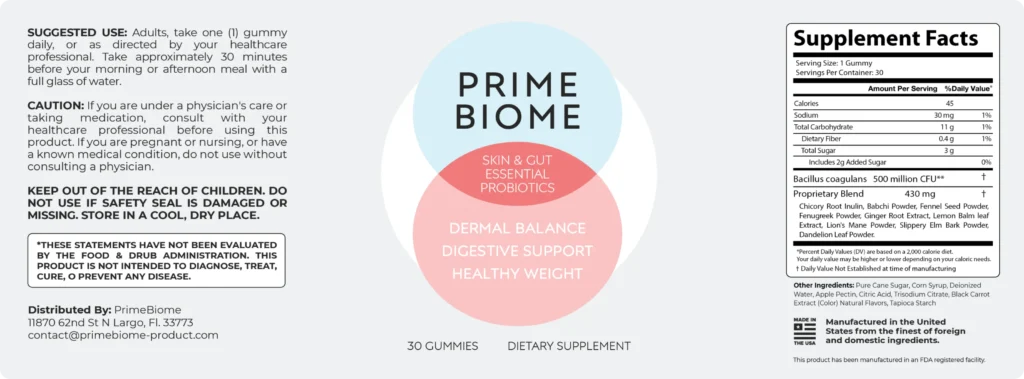
Prime Biome might not feel like it’s working yet if:
- You have short usage duration (only 3–7 days)
- You may have severe dysbiosis (major imbalance, non-diagnostic term)
- You have medical conditions that change digestion patterns
A probiotic can’t override everything. If someone has IBS, IBD, or other medical issues, results can be different. Probiotics may help comfort, but they are not treatments.
If you have strong symptoms, pain, fever, or blood in stool, don’t wait it out. Talk to a medical professional. That’s not fear. That’s smart safety.
If your symptoms are mild but stubborn, consider the basics:
- Are you taking it daily?
- Are you eating any fiber?
- Are you under high stress?
- Are you sleeping poorly?
Often, it’s not one big thing. It’s a few small things stacking up.
When to Continue, Adjust, or Stop
I like using simple decision rules. They reduce stress. They also reduce “panic refunds.”
Here is a practical guide.
Continue if:
- You are within a 60-day evaluation window
- Symptoms are mild and improving
- You notice small positive trends (less bloating, more regular stools)
Adjust if:
- You keep forgetting doses
- Timing is chaotic
- Diet is very low in fiber
- You feel too much gas or bloating early on
Sometimes adjustment is not about stopping. It’s about being more consistent. Or eating more fiber. Or spacing your dose with meals if needed.
Stop and seek advice if:
- Symptoms are severe or getting worse
- You have a medical condition and feel unsure
- You are pregnant or immunocompromised
- You suspect interactions with meds
This is where medical consultation is the safe move.
Also, be aware of your refund policy awareness if you bought Prime Biome under a guarantee. Don’t wait until the last day in a panic. Track your trend weekly. If you plan to evaluate, do it calmly and early.
Gentle Wrap-Up: The Most Realistic Prime Biome Timeline
If you want a simple summary, here it is.
- Days 1–3: adjustment phase, possible gas or bloating
- Days 7–14: early comfort, reduced bloating for some
- Days 30–45: more stable digestion, better digestive efficiency for many
- Days 60–90: longer-term gut balance, and possible skin and energy benefits for some

And remember: your timeline is personal. Your microbiome adapts based on your life.
Check if Prime Biome is right for you: VISIT PRIME BIOME OFFICIAL WEBSITE
FAQs
How long does it take Prime Biome to work?
Most people notice early gut comfort changes in 7–14 days. Stronger, more stable results often show up around 30–45 days, and broader benefits like skin clarity or steadier energy may take 60–90 days with consistent daily use.
How quickly do probiotics work?
Probiotics can start affecting your gut in the first few days, mainly through an adjustment phase. Clear benefits usually take 1–2 weeks, and deeper microbiome stability often takes several weeks.
How many days until probiotics start working?
Many people feel early changes within 3–7 days, but these can be adjustment effects. For practical results like less bloating or better stool consistency, 7–14 days is a more realistic window for many users.
How long after taking probiotics will I see results?
You may see early results in 1–2 weeks, stronger patterns by 30–45 days, and longer-term benefits by 60–90 days. Your timeline depends on diet, stress, sleep, and how consistent you are.
How do I know if a probiotic is working?
Signs include less bloating, more stable stool consistency, and better gut comfort after meals. Some people also notice steadier energy over time and, later on, clearer-looking skin.
How can I tell if probiotics are working?
Track weekly trends, not day-to-day swings. If you’re having fewer bad gut days, less gas after meals, and more predictable bowel movements, that’s usually a good sign.
What happens in the first few days of Prime Biome?
It’s common to experience mild gas, bloating, or a “weird gut feeling” as your gut adjusts. This is often temporary and may settle as your microbiome adapts.
Is gas or bloating a sign Prime Biome is working?
Sometimes, yes—early gas or bloating can happen during a digestive adjustment phase. If symptoms are mild and fade within a week or two, it can be part of the normal transition.
Why do probiotic results take time?
Your gut microbiome is an ecosystem that changes gradually. Probiotics need repeated use to support a healthier gut environment and improve gut bacteria balance over time.
Why do some people see results faster than others?
Results vary due to baseline gut health, antibiotic history, stress, sleep, and diet. A higher-fiber, lower-processed diet and steady routines often support faster progress.
What mistakes delay Prime Biome results?
Common issues include skipping doses, inconsistent timing, low fiber intake, and expecting instant weight loss. Probiotics work best as a daily habit paired with basic gut-friendly habits.
When should I continue, adjust, or stop Prime Biome?
Continue if you’re seeing small trends and symptoms are mild, especially within a 60-day evaluation window. Adjust if you’re inconsistent or feel mild discomfort; stop and consult a professional if symptoms are severe, worsening, or you have a medical condition.